CONCRETE SIDEWALK CONTRACTOR IN MONTEREY COUNTY, CA
Rancho Concrete installs concrete sidewalks and walkways for homes, businesses, and new construction projects across Monterey County, CA and the Tri-County area.
2-Year Warranty on All Projects
High-Quality Materials
Backed by Experience & Local Trust
QUALITY SIDEWALKS & WALKWAYS FOR HOMES AND BUSINESSES
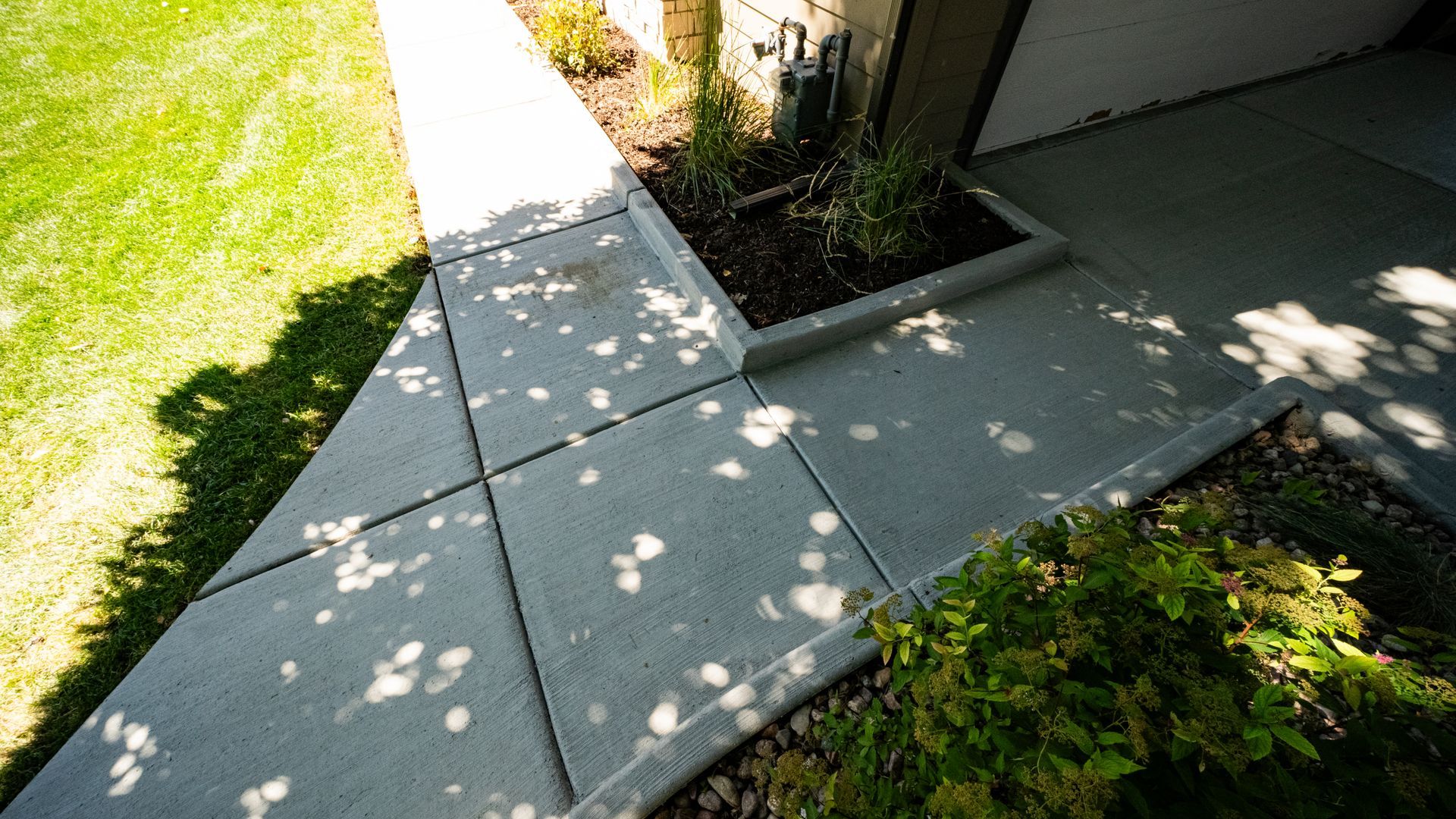
Sidewalks and walkways help people move safely and comfortably between entrances, parking areas, patios, buildings, and other parts of a property. Rancho Concrete installs residential and commercial concrete paths with careful attention to layout, grade, transitions, drainage, and the surrounding space.
As a professional concrete sidewalk contractor, we plan each project around how the area will be used. Whether you need a direct sidewalk for everyday access or a more residential pathway through the property, we focus on practical dimensions, proper preparation, and a clean finished surface.

WHY CONCRETE WORKS WELL FOR SIDEWALKS AND WALKWAYS
Concrete creates a clean, dependable walking surface that can be shaped around the property and planned for regular foot traffic. It is a practical choice for residential paths, business access, and new construction sites.
SAFE, COMFORTABLE ACCESS
Proper width, slope, and transitions help create a stable walking surface for everyday use.
CLEAN PROPERTY CONNECTIONS
Concrete walkways create clear connections between entrances, driveways, patios, parking areas, and other spaces.
LOW MAINTENANCE
Concrete requires relatively simple upkeep, with routine cleaning and basic care helping maintain the surface.
BETTER GRADE & DRAINAGE
Proper grading helps direct water appropriately and reduce low spots or awkward transitions around the walkway.
RESIDENTIAL & COMMERCIAL USE
Concrete works well for private paths, building entrances, business properties, and other high-traffic areas.
OUR SIDEWALK & WALKWAY INSTALLATION PROCESS
Every path has to work with the property around it. Our process considers the route, elevations, access, drainage, surrounding surfaces, and intended use before concrete placement begins.
Step 1
SITE REVIEW & LAYOUT
We review where the sidewalk or walkway needs to begin and end, how people will use it, and how it connects with nearby entrances, driveways, patios, parking areas, landscaping, or structures.
Step 2
REMOVAL & EXCAVATION
For replacement projects, existing concrete is removed as needed. The new walkway area is then excavated to the required depth and prepared around the planned elevations and route.
Step 3
BASE PREPARATION & FORMING
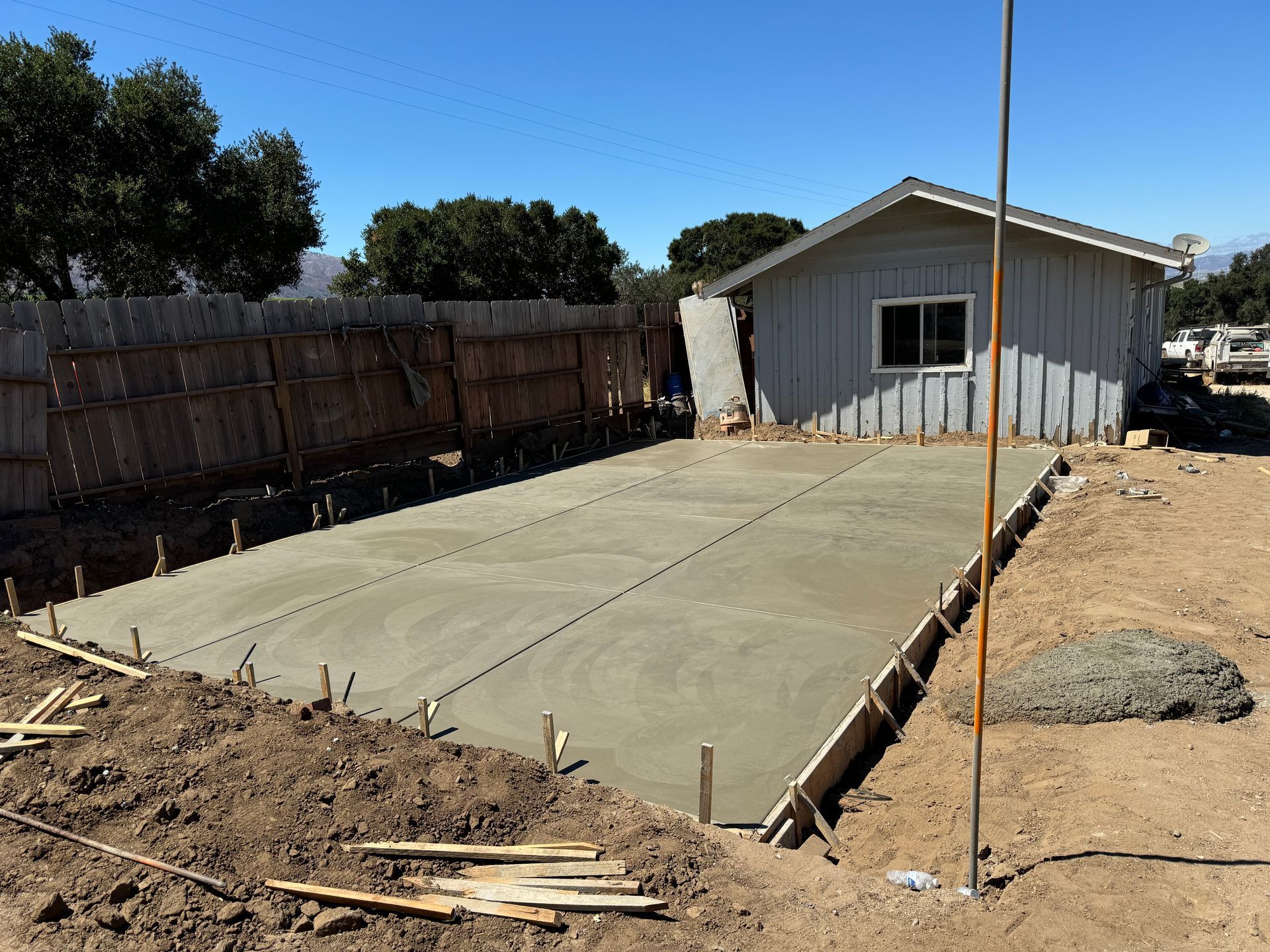
The base is prepared for support and the forms establish the width, shape, slope, and transitions of the new concrete. Reinforcement is incorporated when required for the project.
Step 4
CONCRETE PLACEMENT & FINISHING
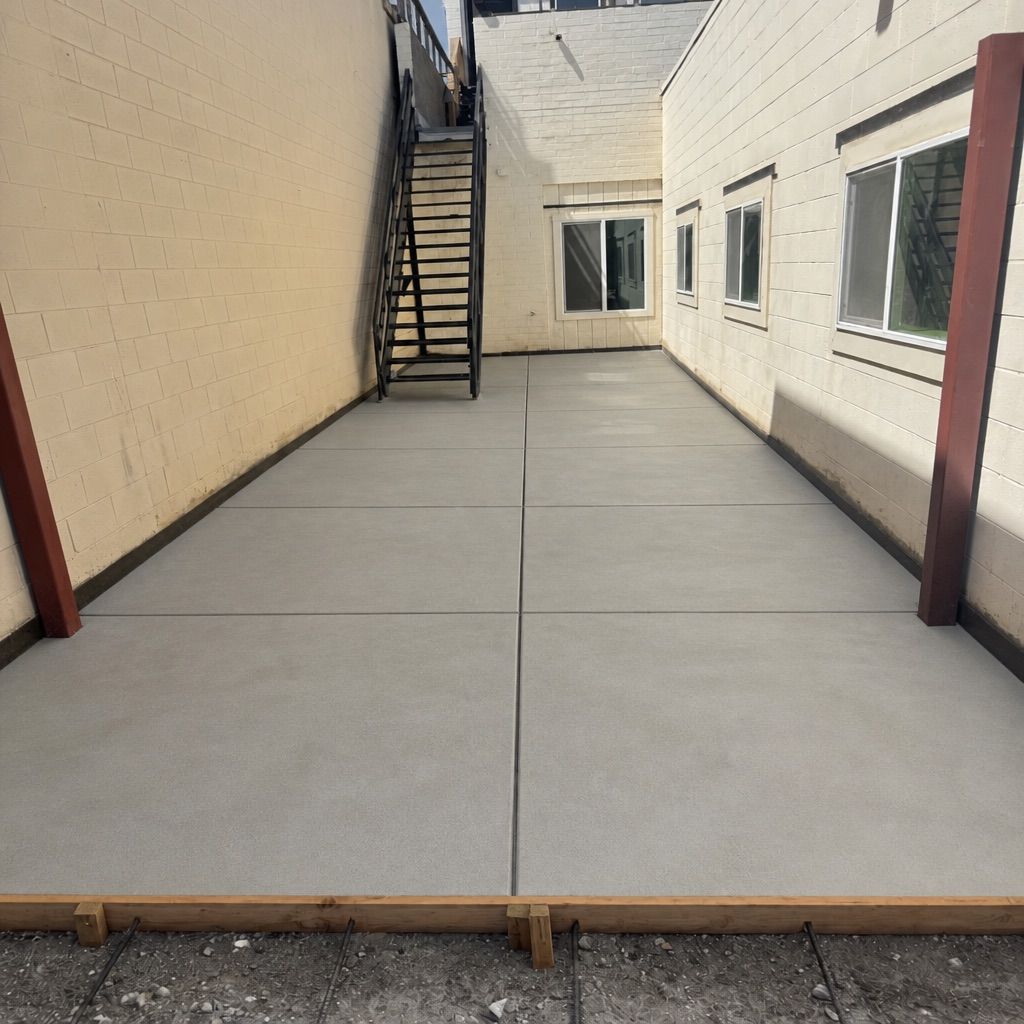
Concrete is placed, leveled, and finished with attention to surface consistency, slope, edges, control joints, and transitions into adjoining areas.
Step 5
CURING & FINAL REVIEW
The new concrete needs time to cure before regular use. We complete the jobsite cleanup, review the finished work, and provide guidance on access and early care.
WHY PROFESSIONAL SIDEWALK & WALKWAY INSTALLATION MATTERS
A sidewalk may cover a smaller area than a driveway or building pad, but the details are just as important. Poor elevations, abrupt transitions, weak preparation, or improper slope can affect drainage, accessibility, comfort, and the way the walkway connects with the rest of the property.
Working with a concrete walkway contractor in Monterey County gives you a project planned around the actual site instead of simply choosing a route and pouring concrete. Rancho Concrete considers preparation, layout, grade, transitions, and intended use to create a finished walkway that looks intentional and functions well.
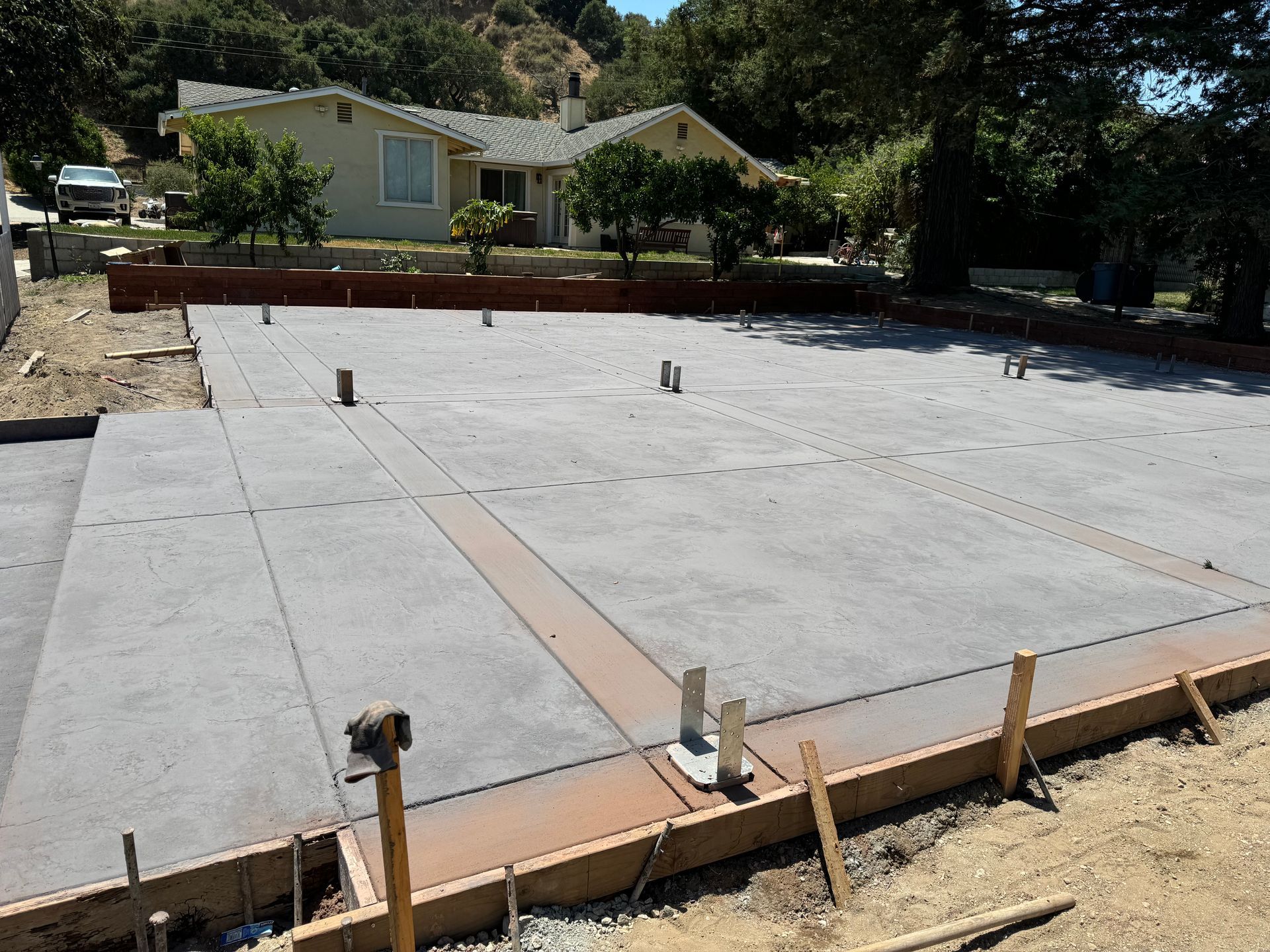
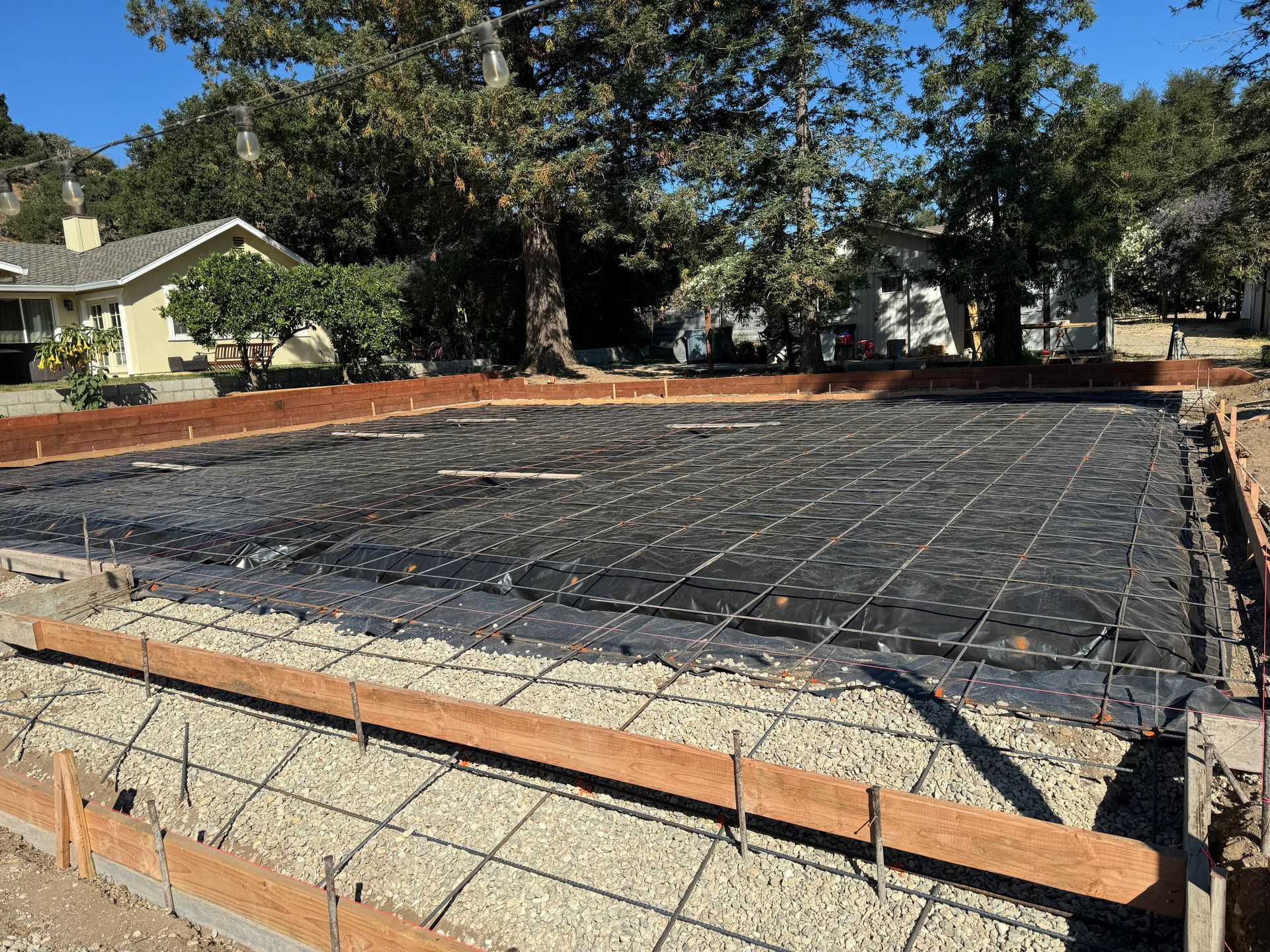
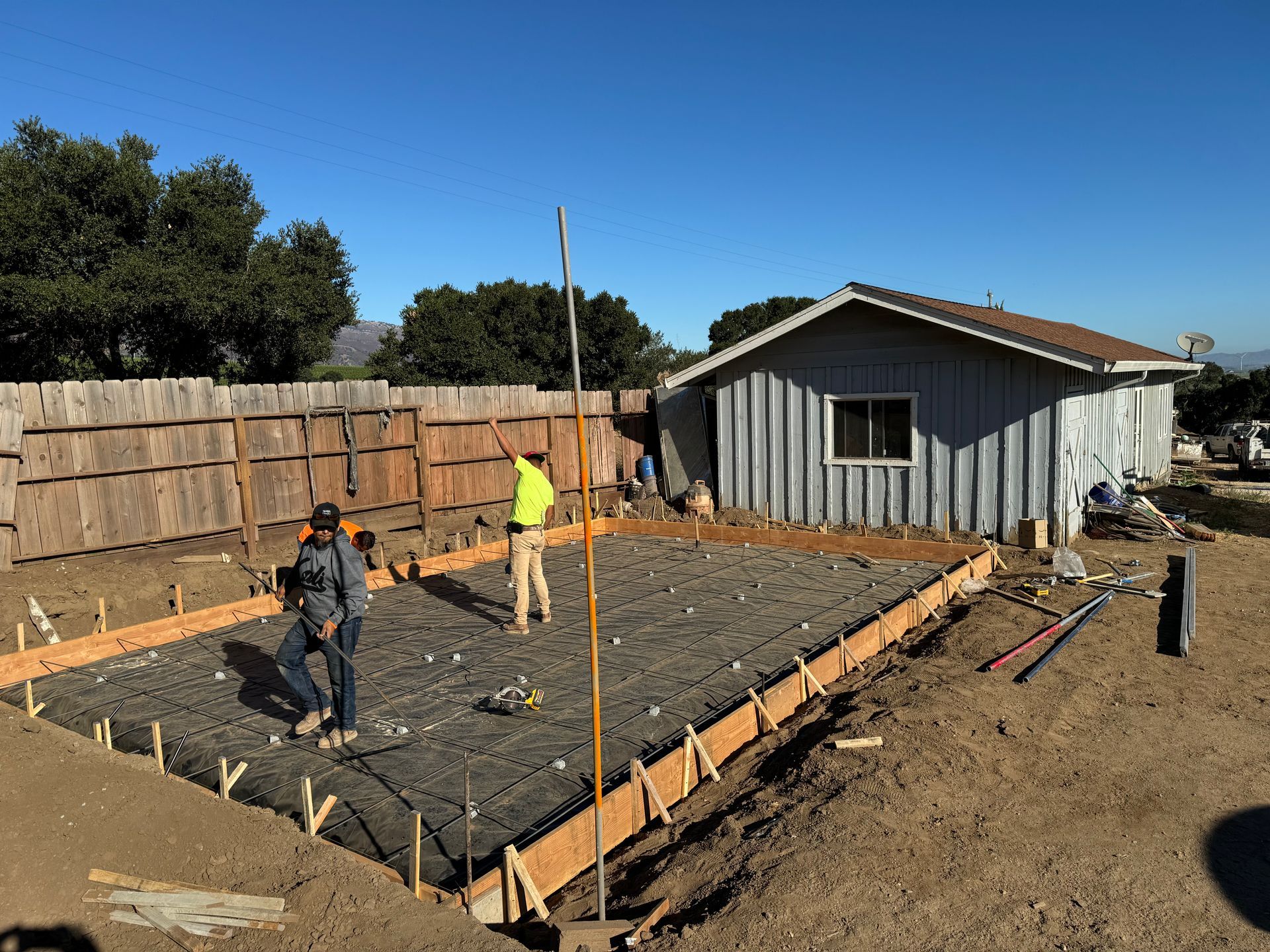
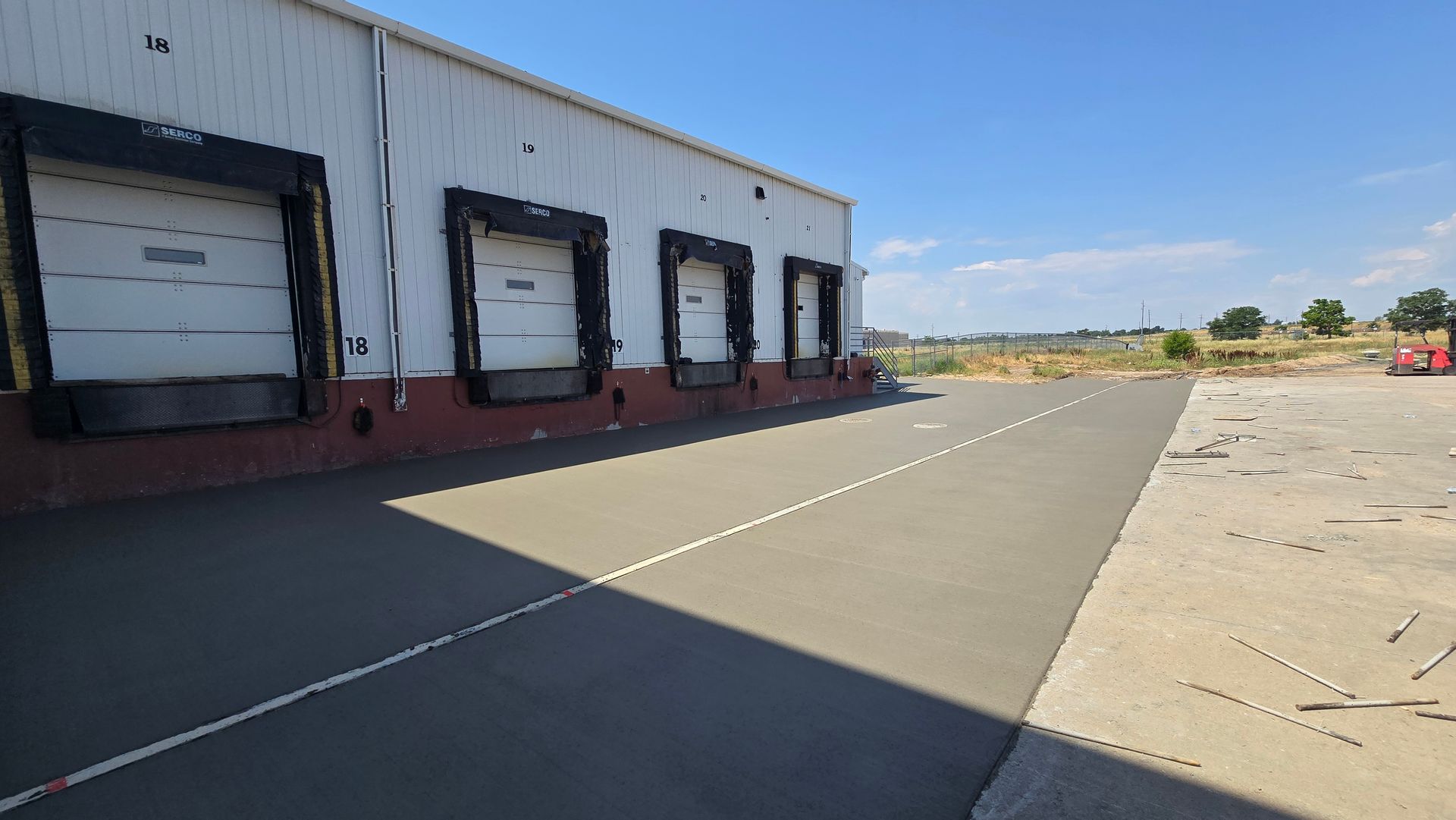
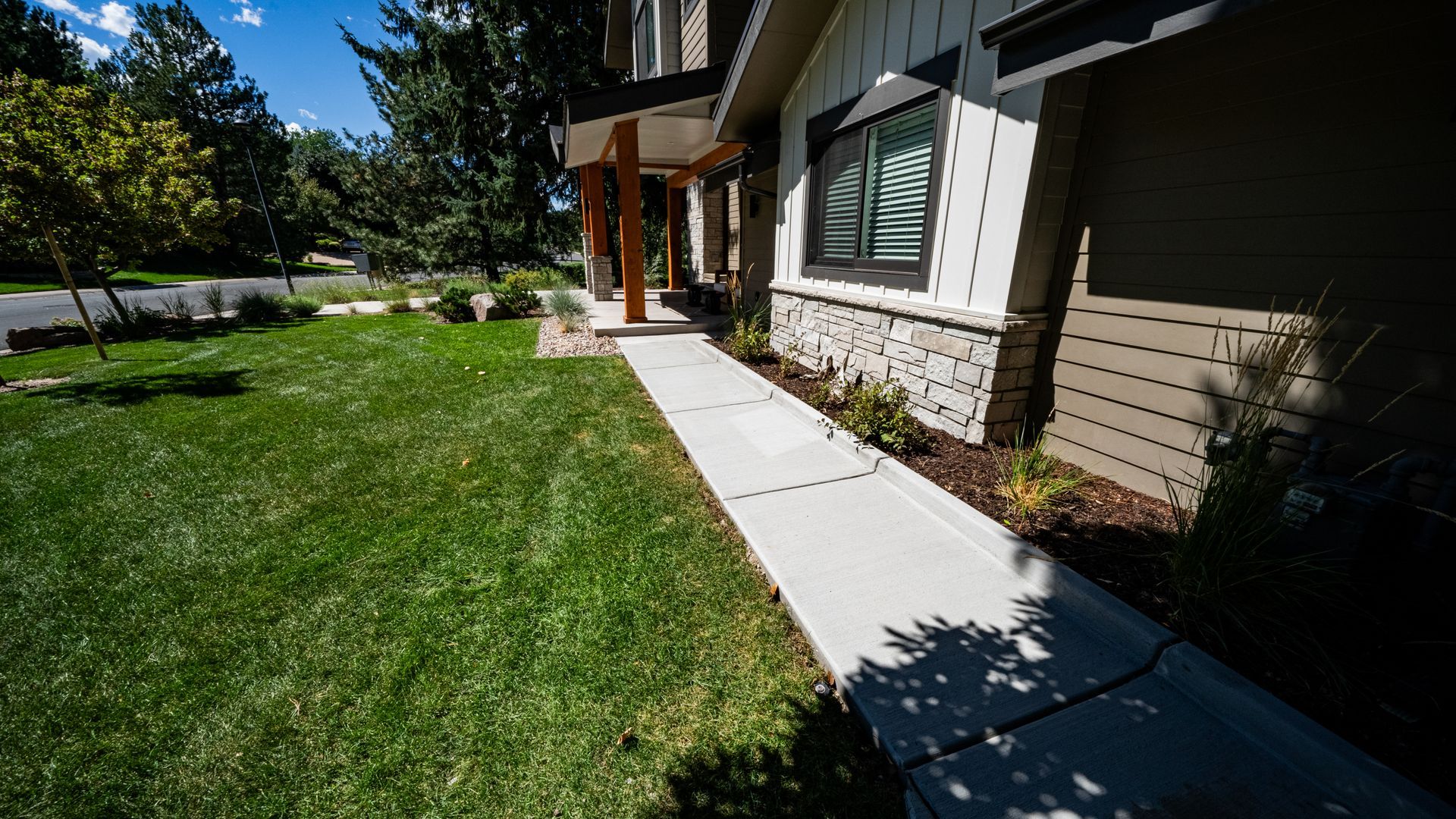
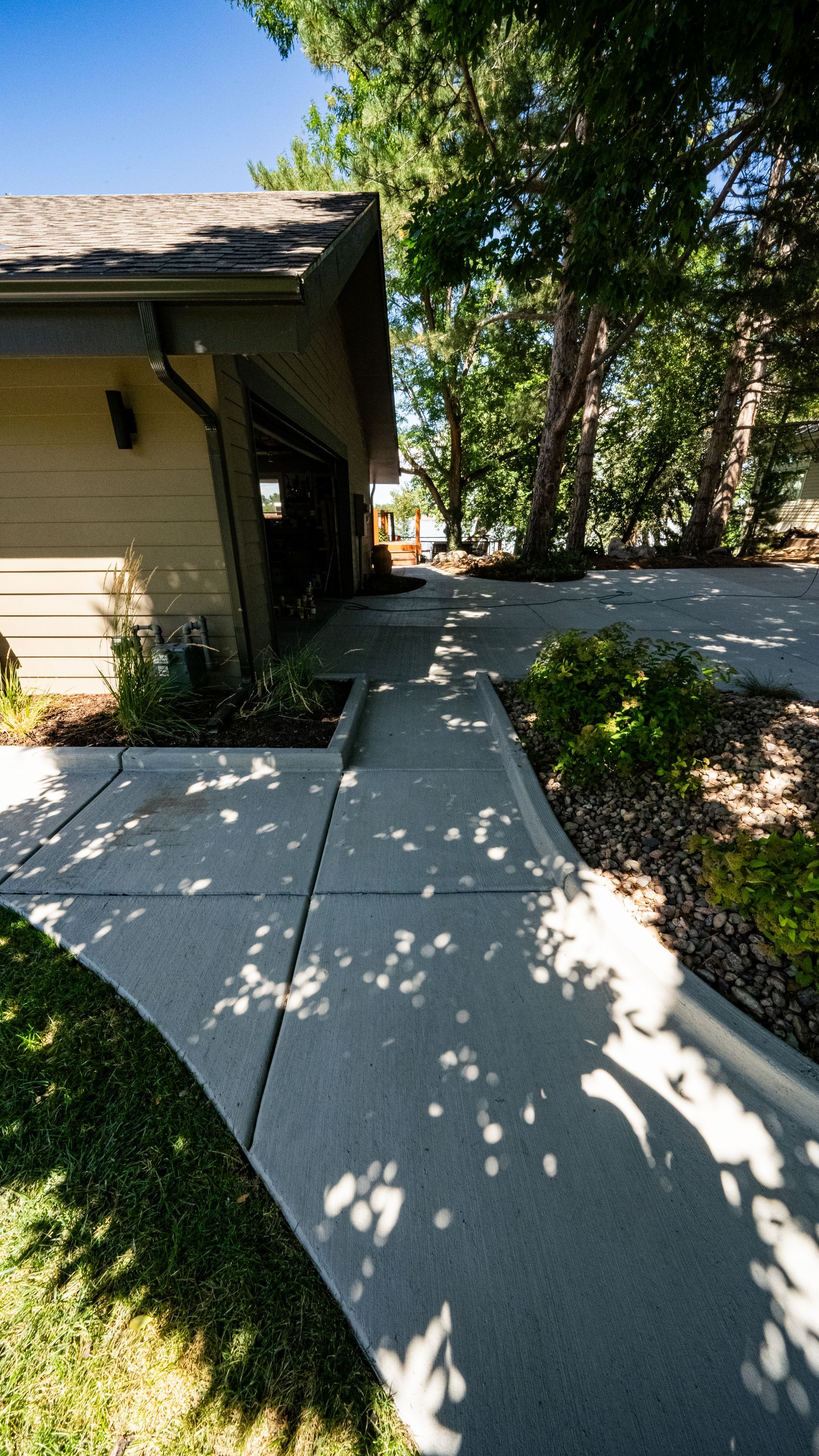
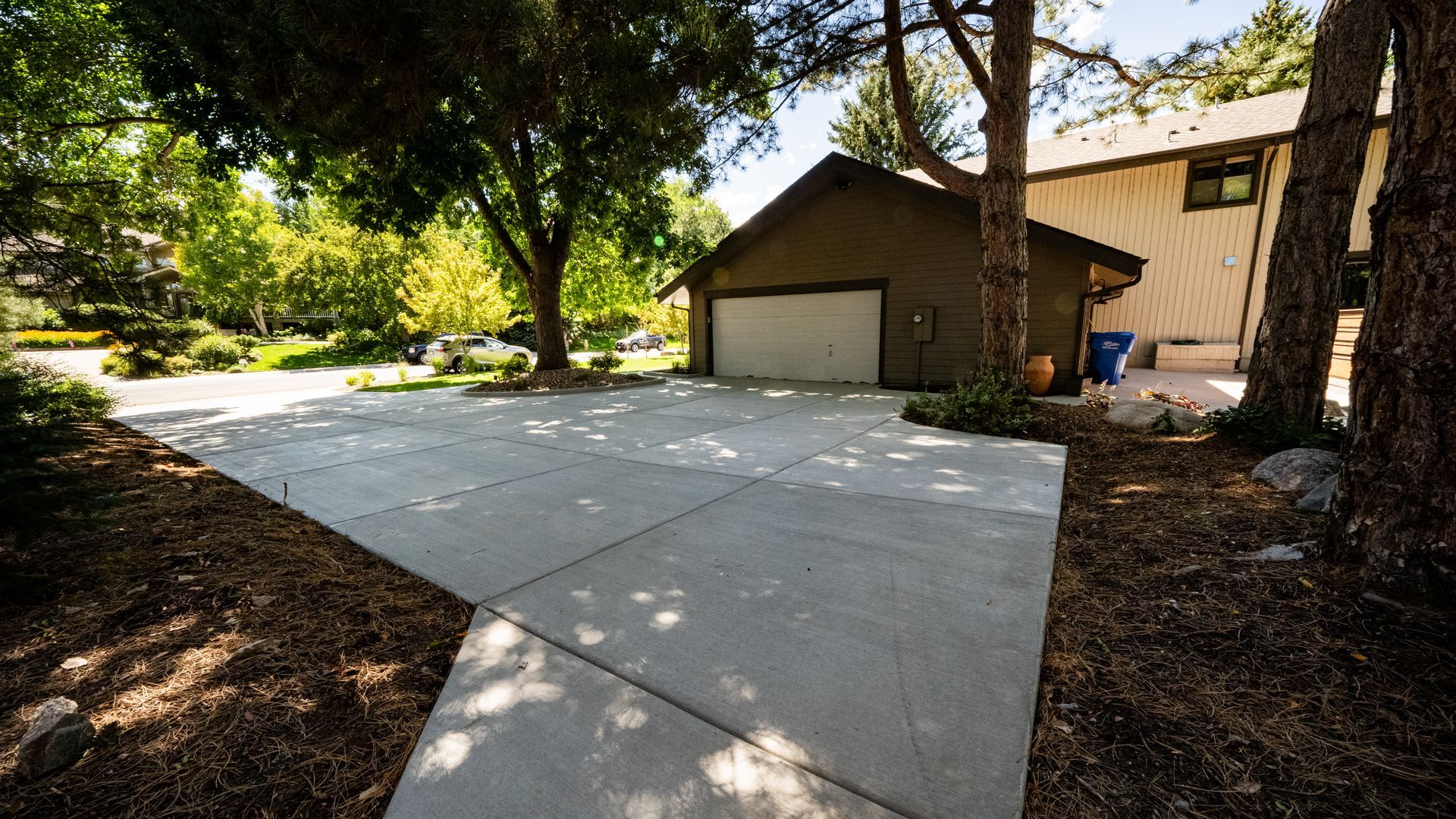
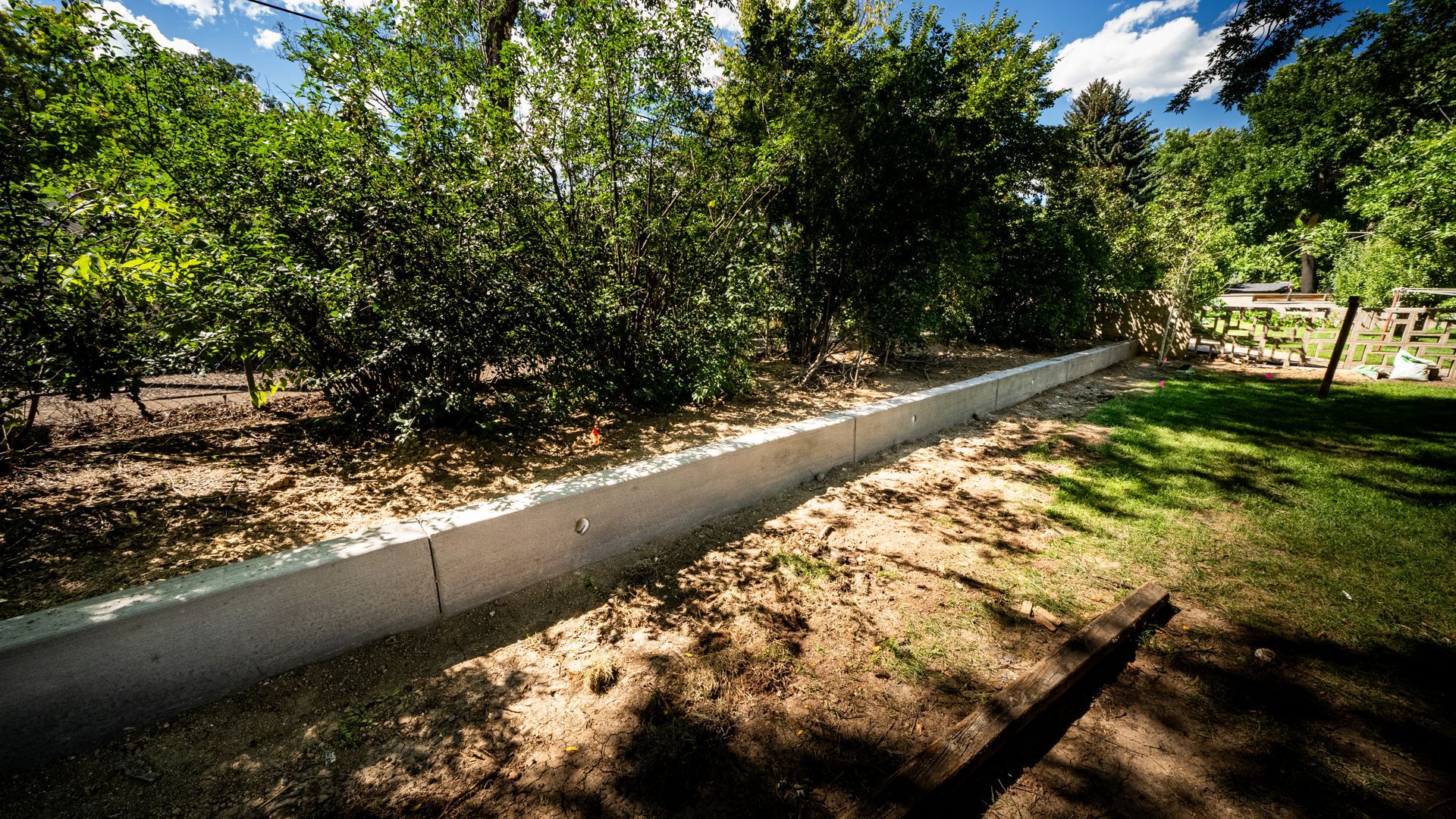
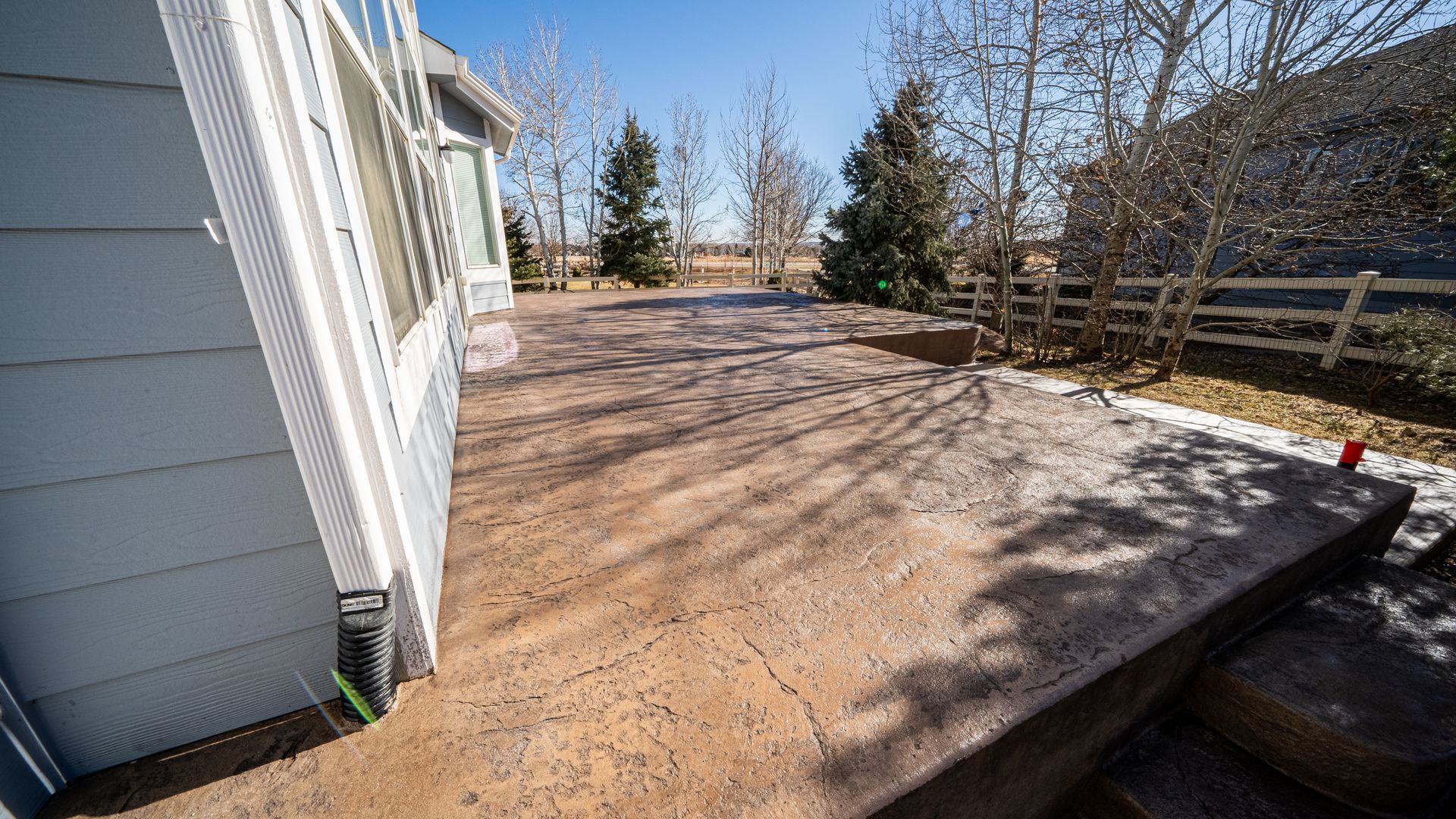
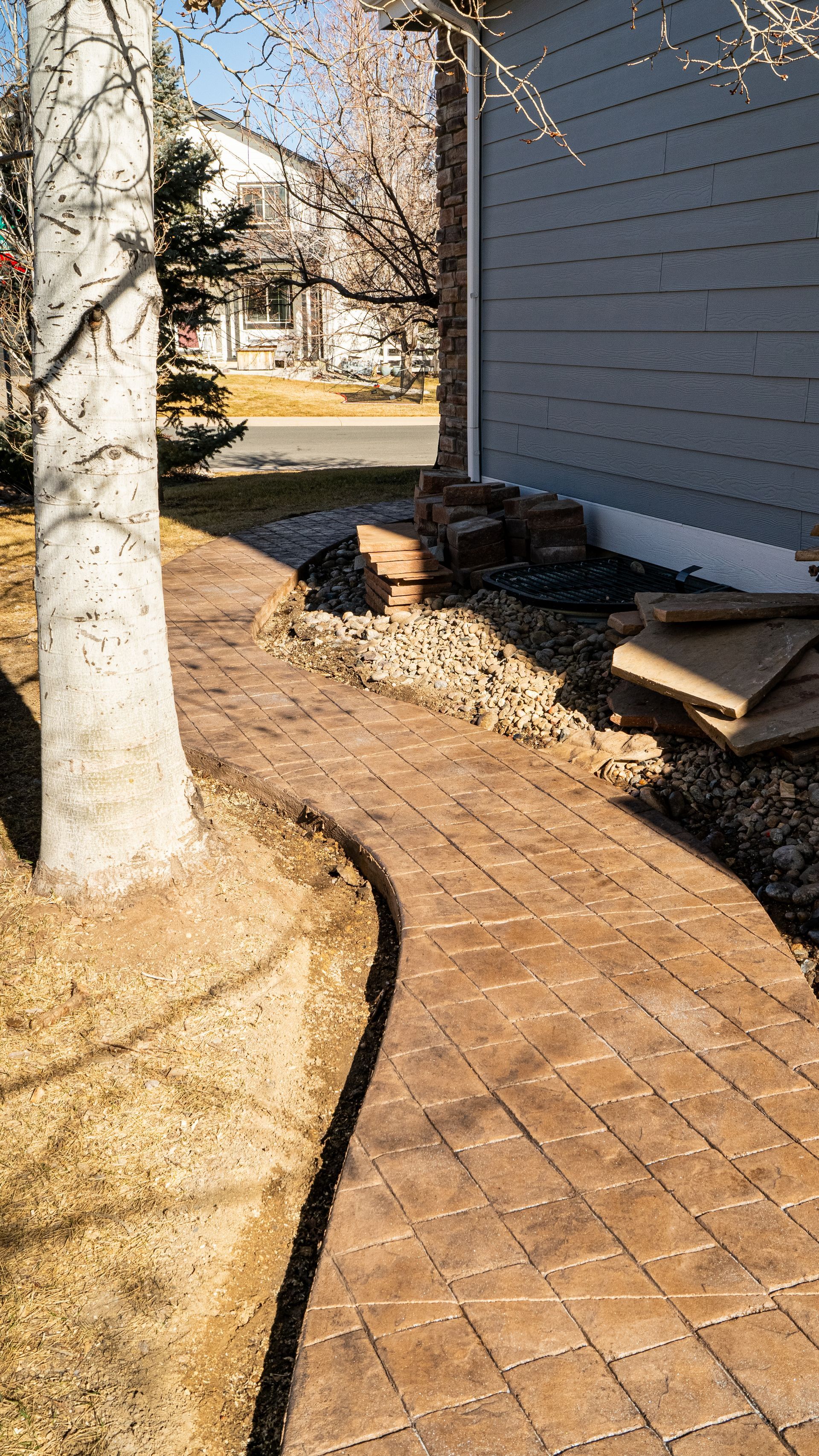
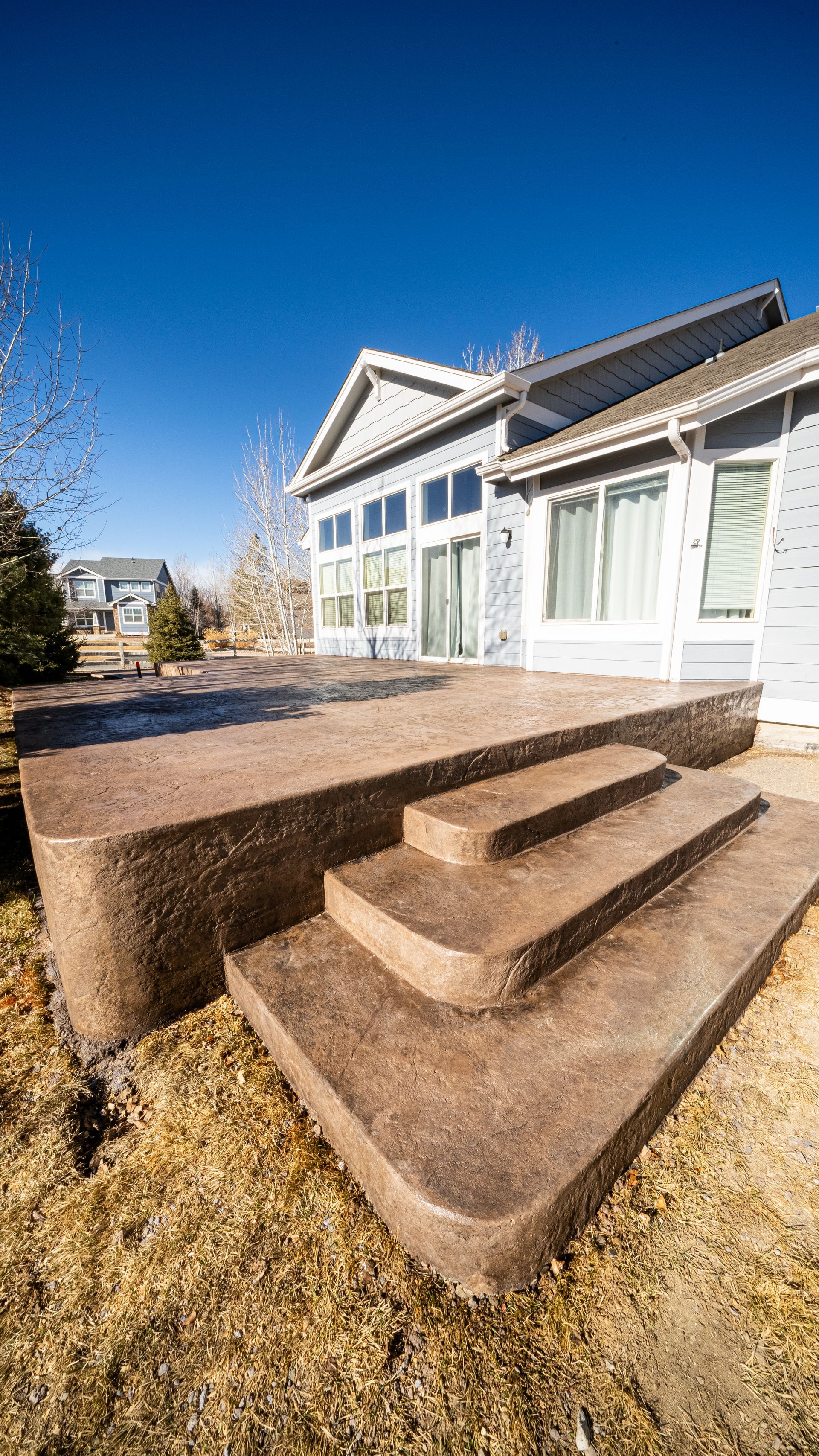
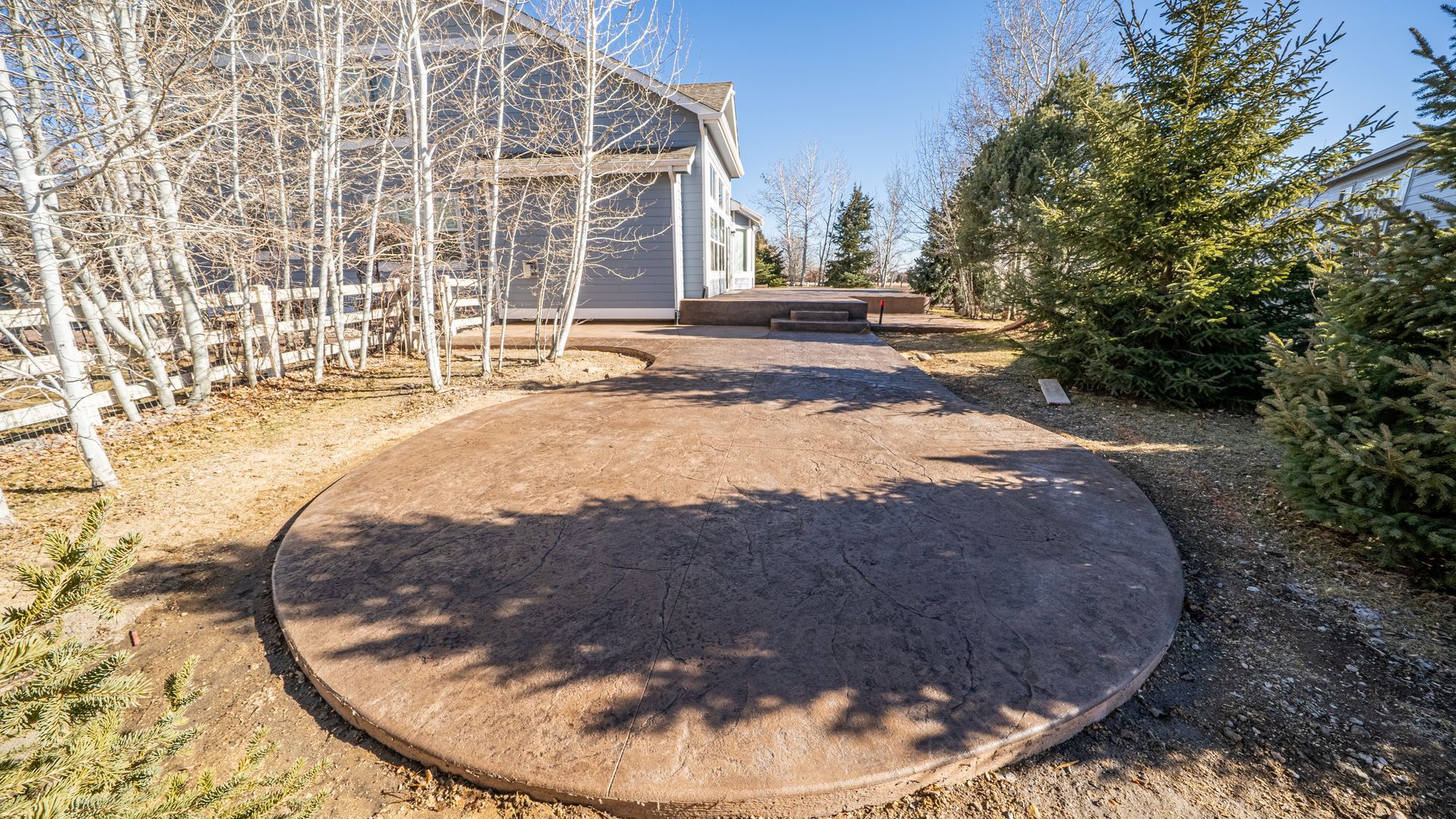
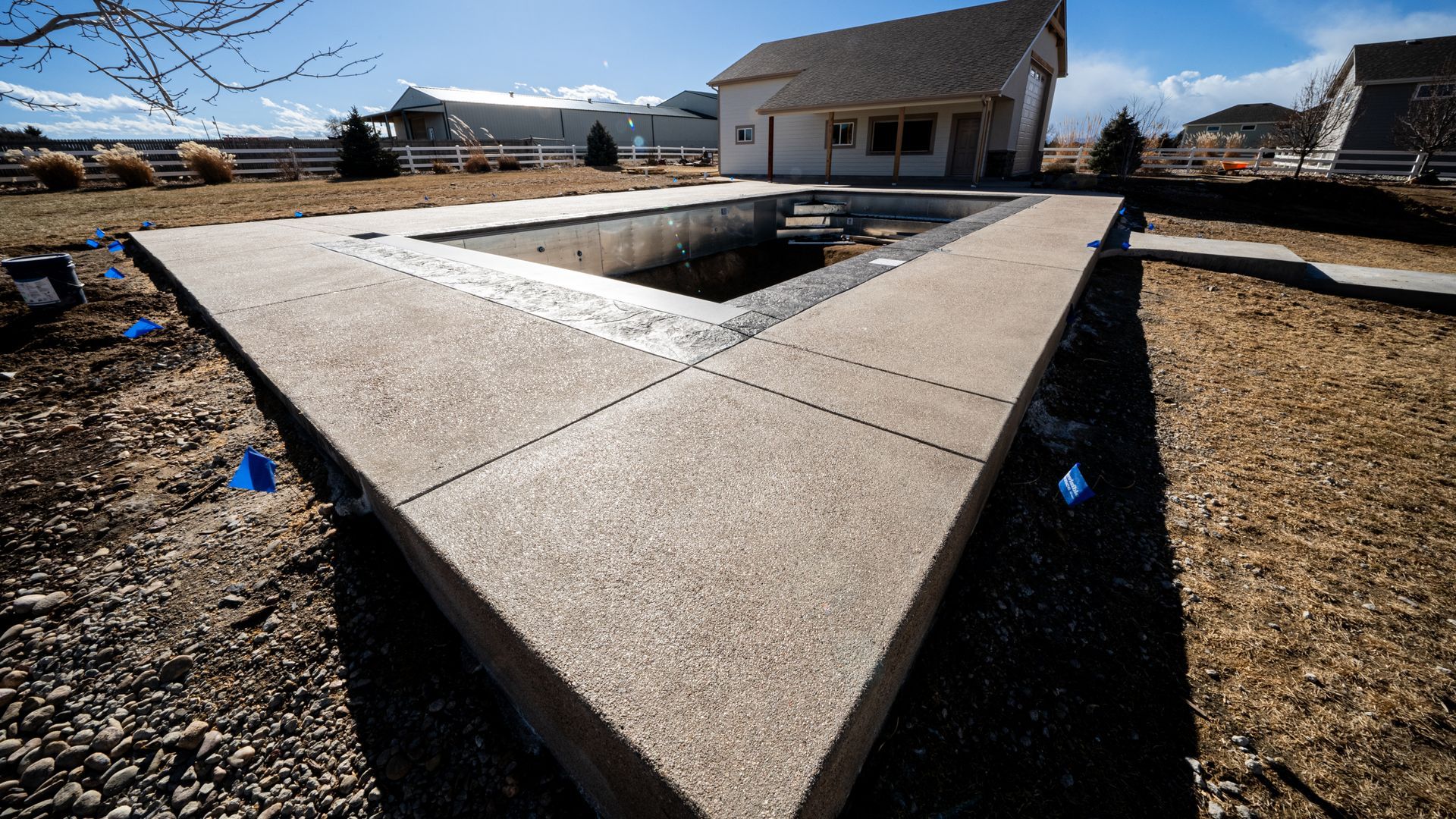
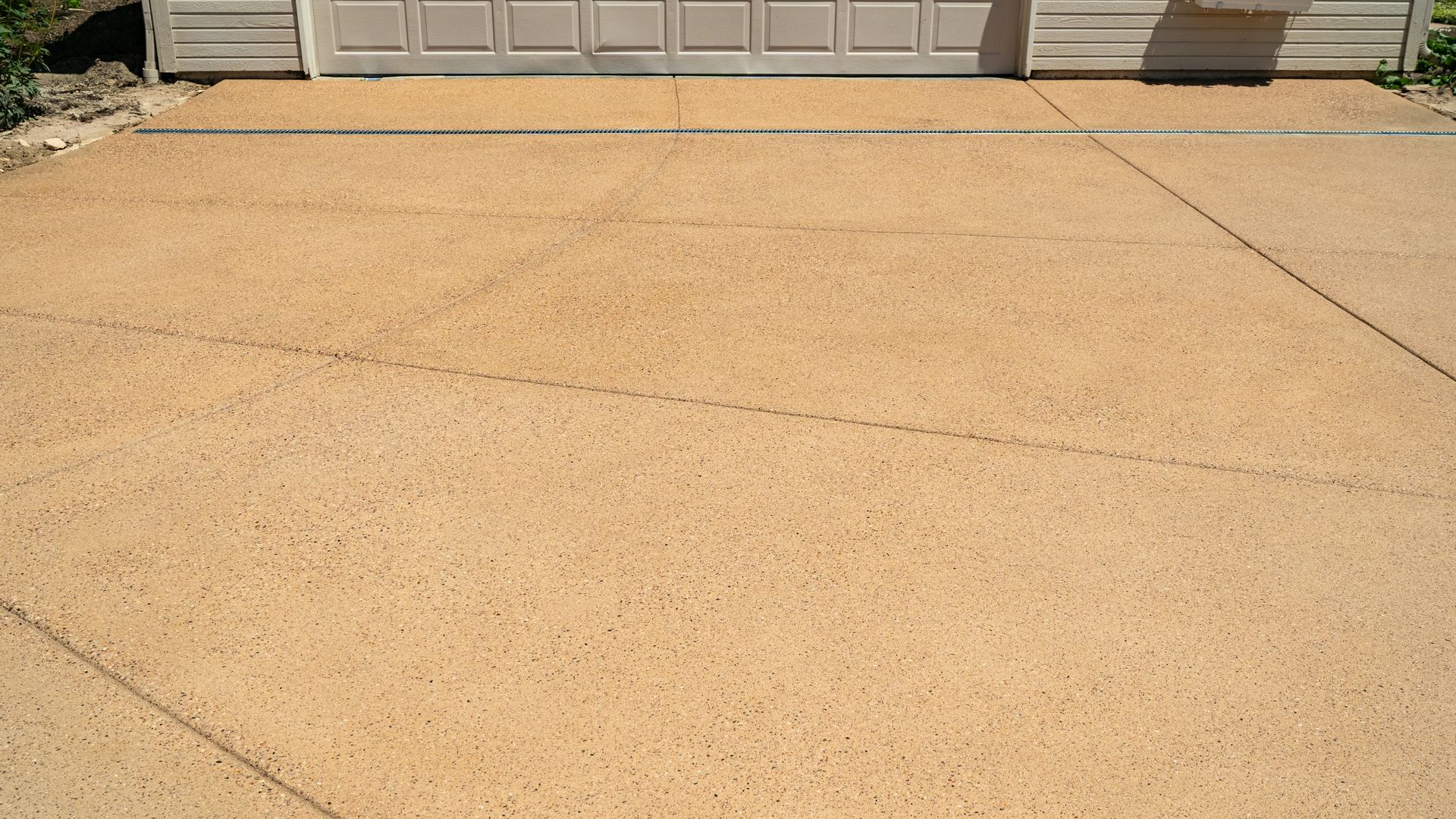
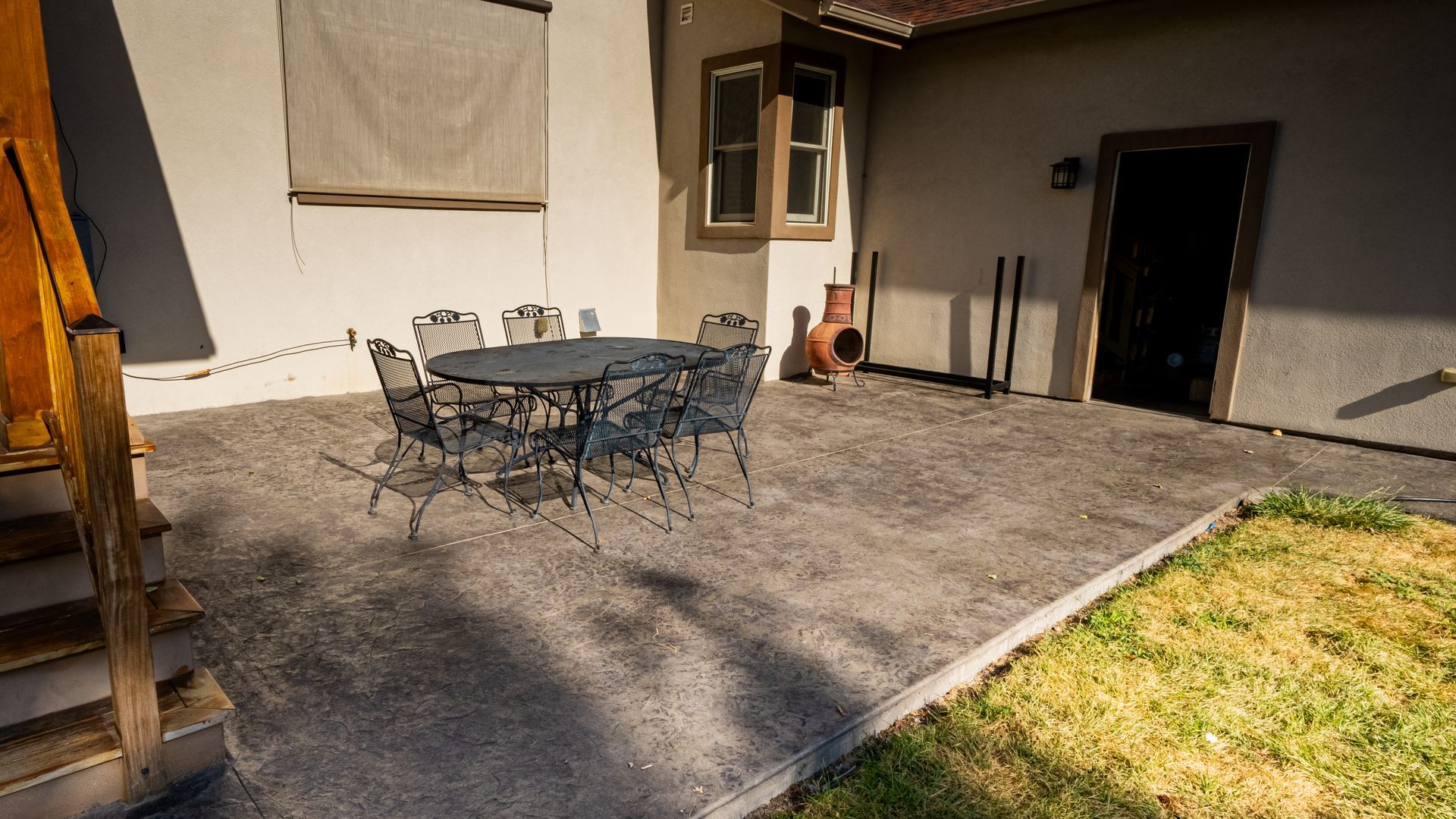
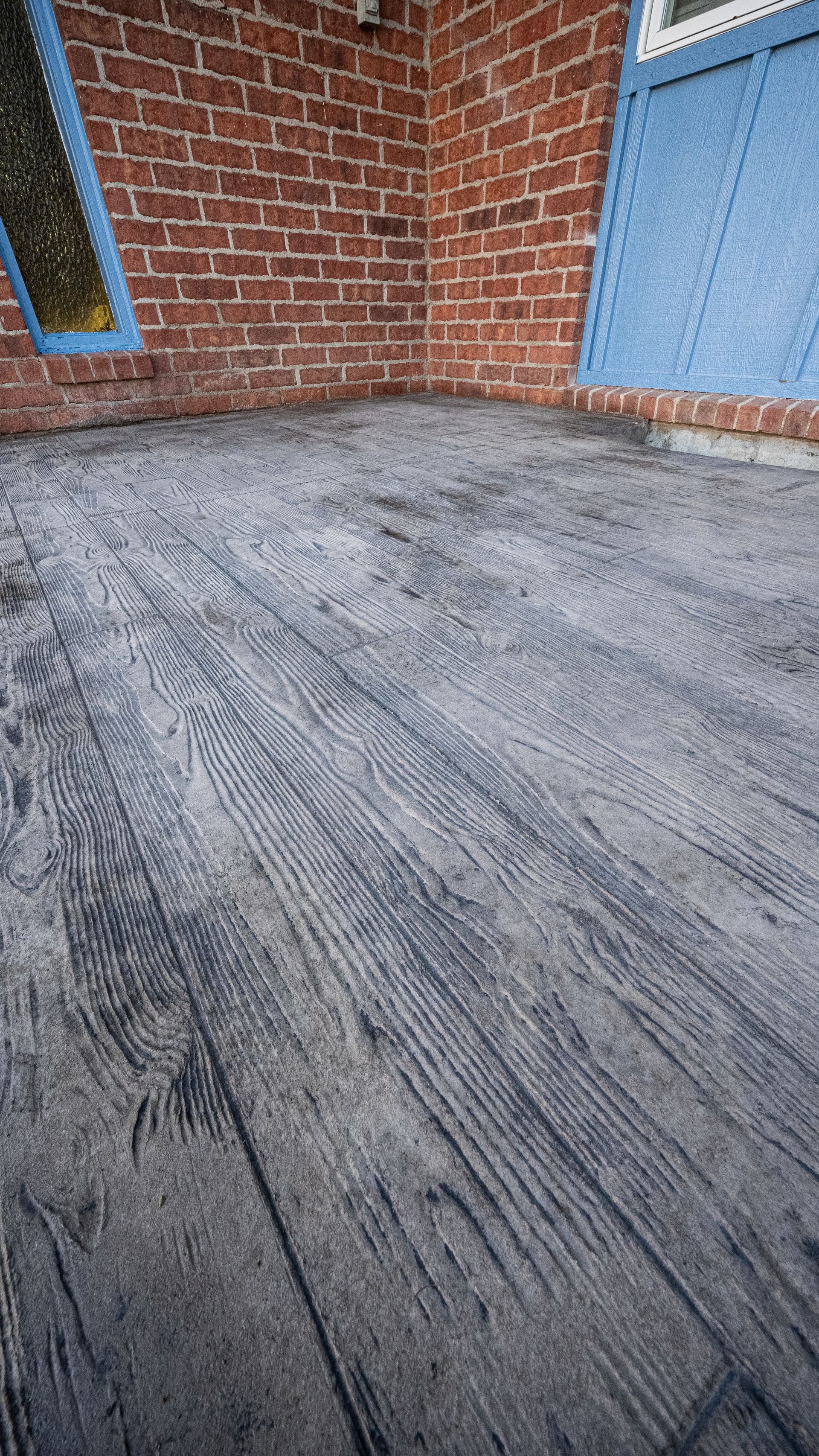
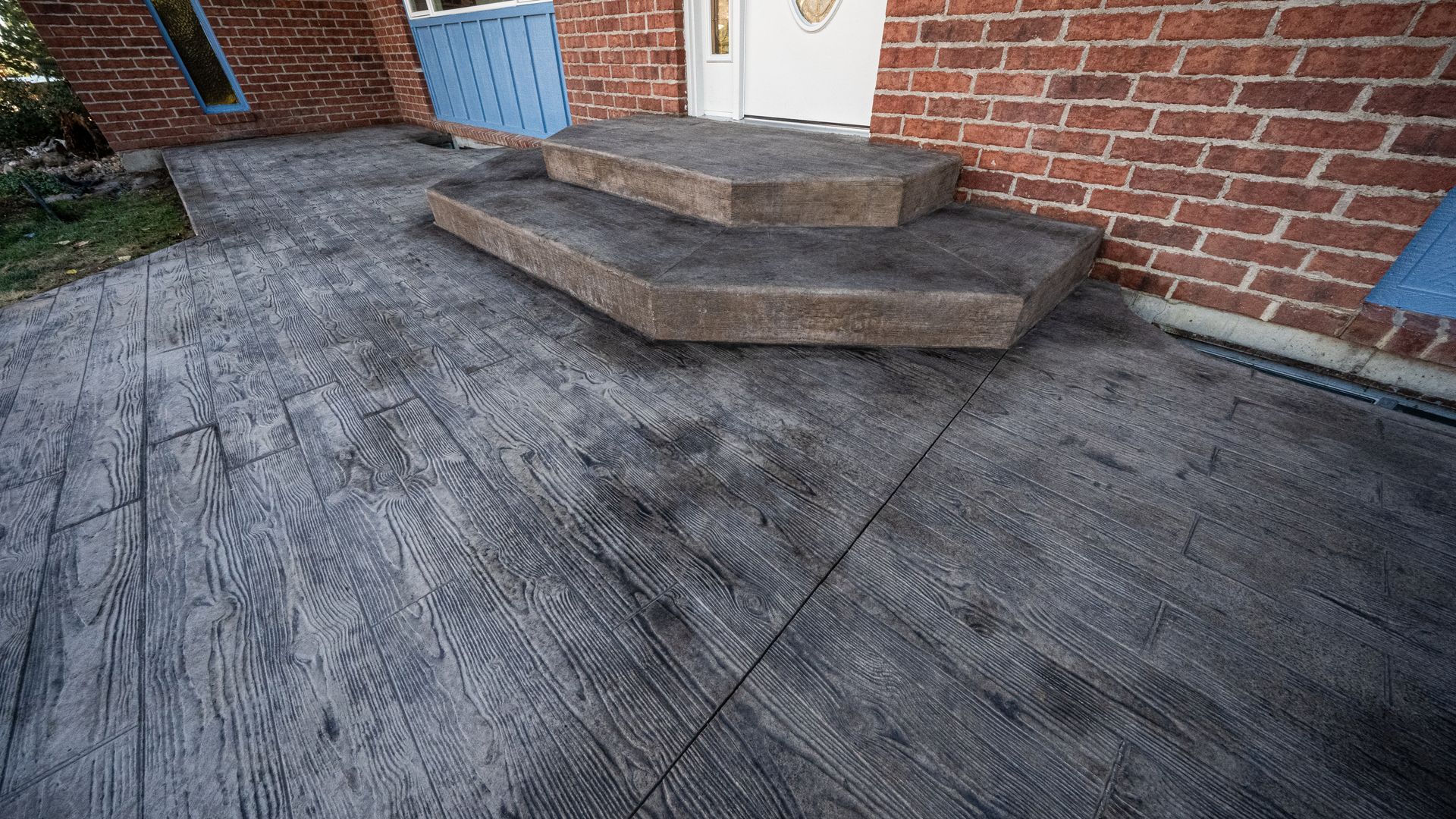
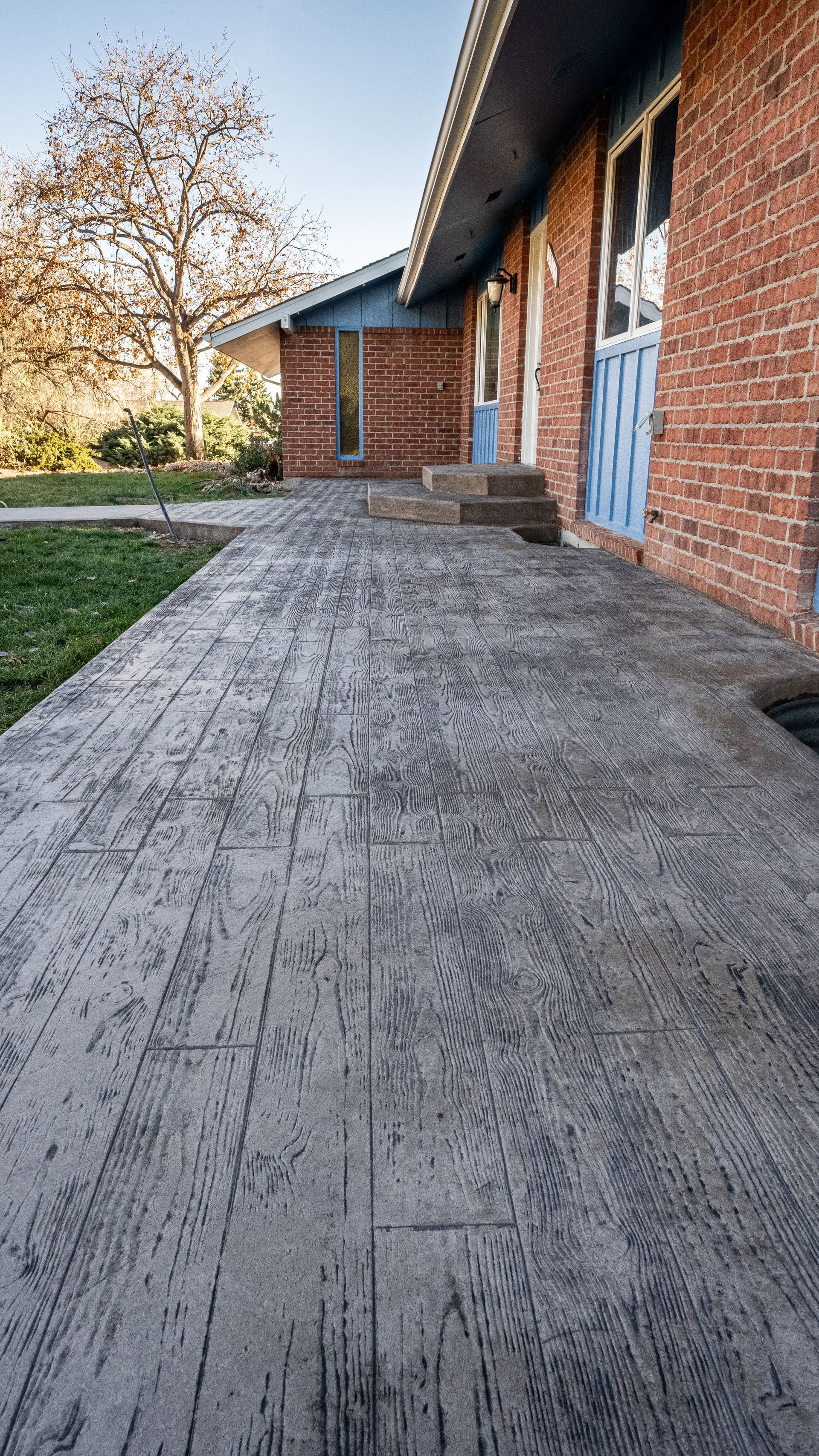
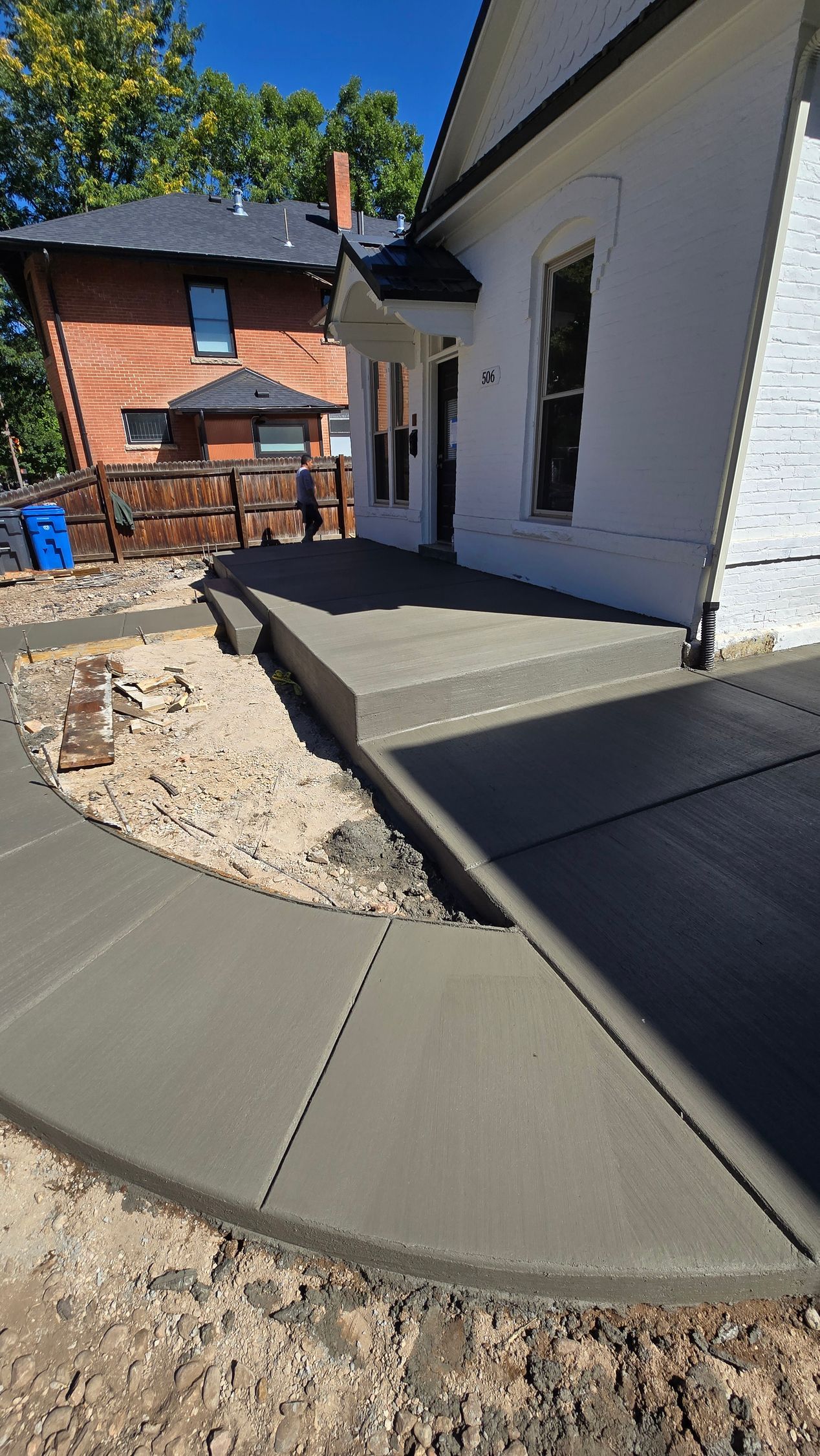
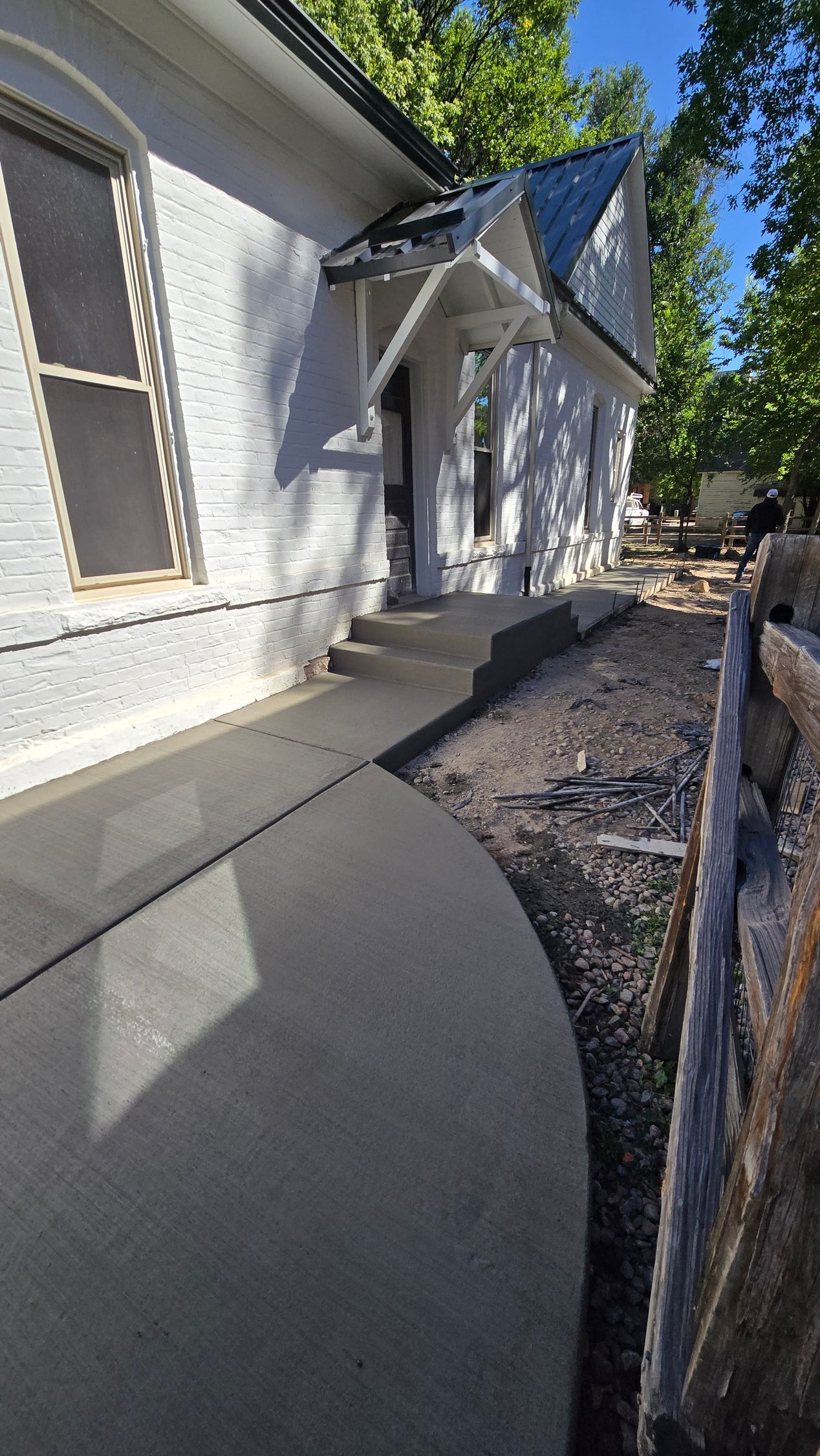
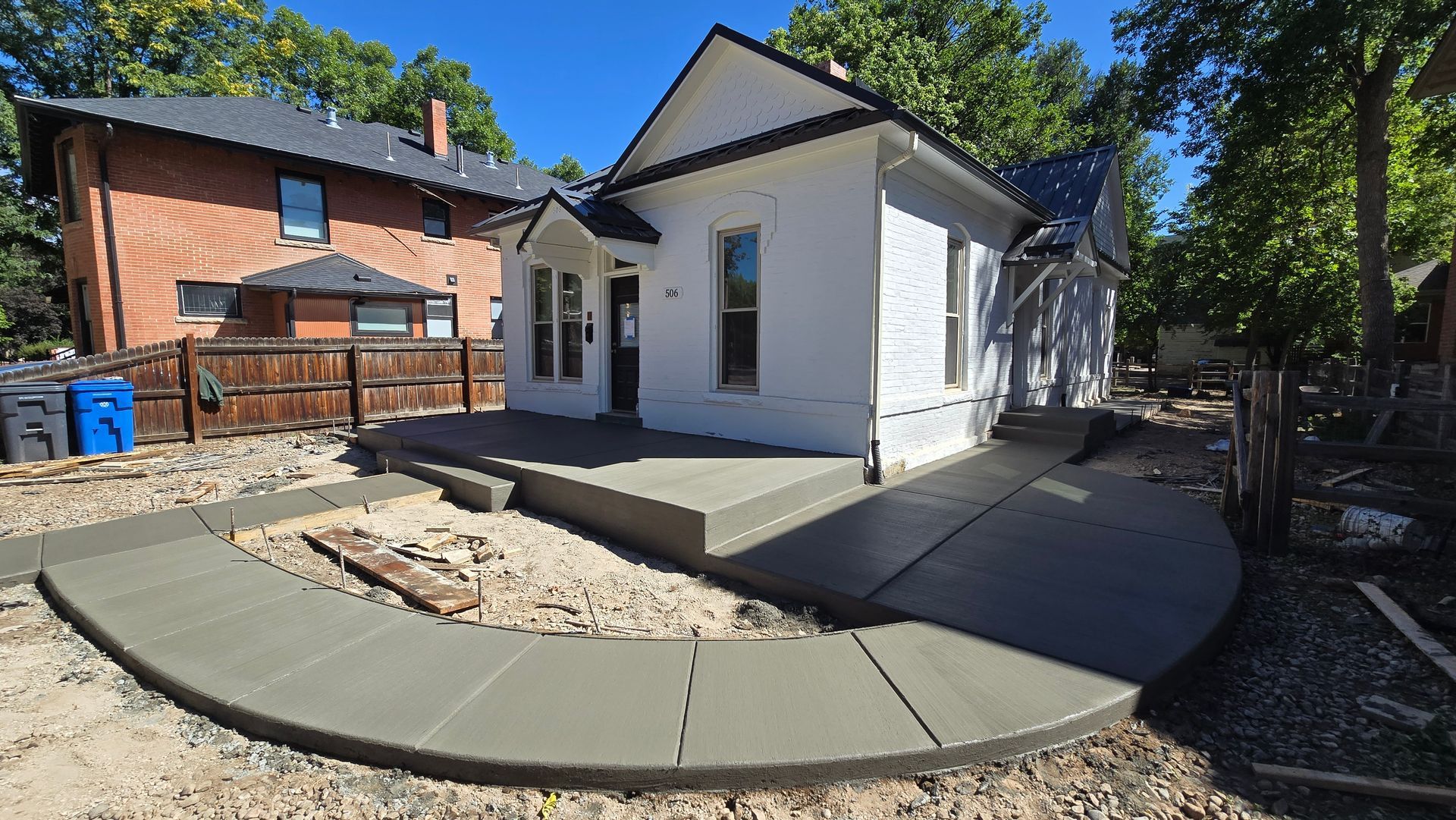
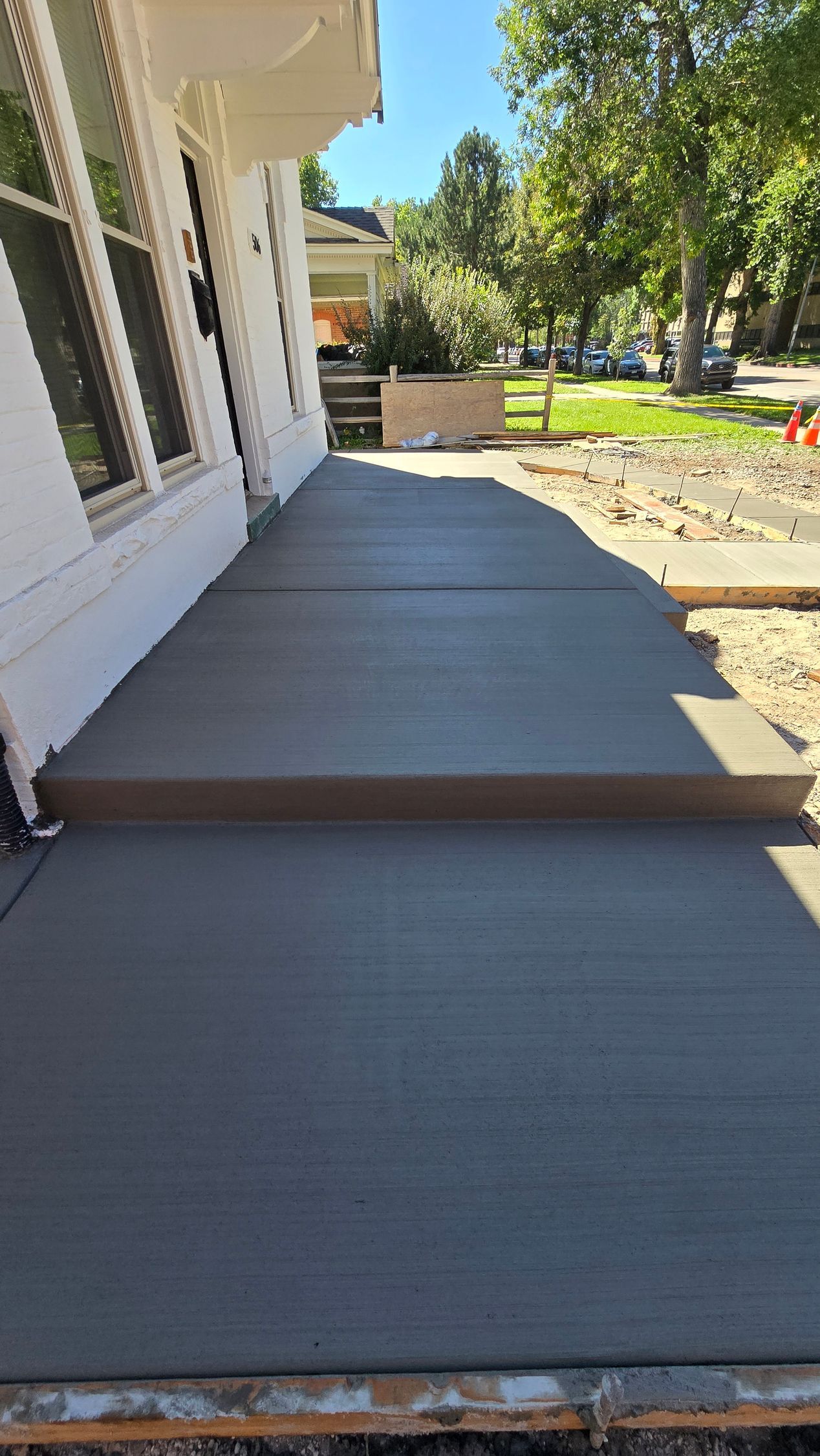
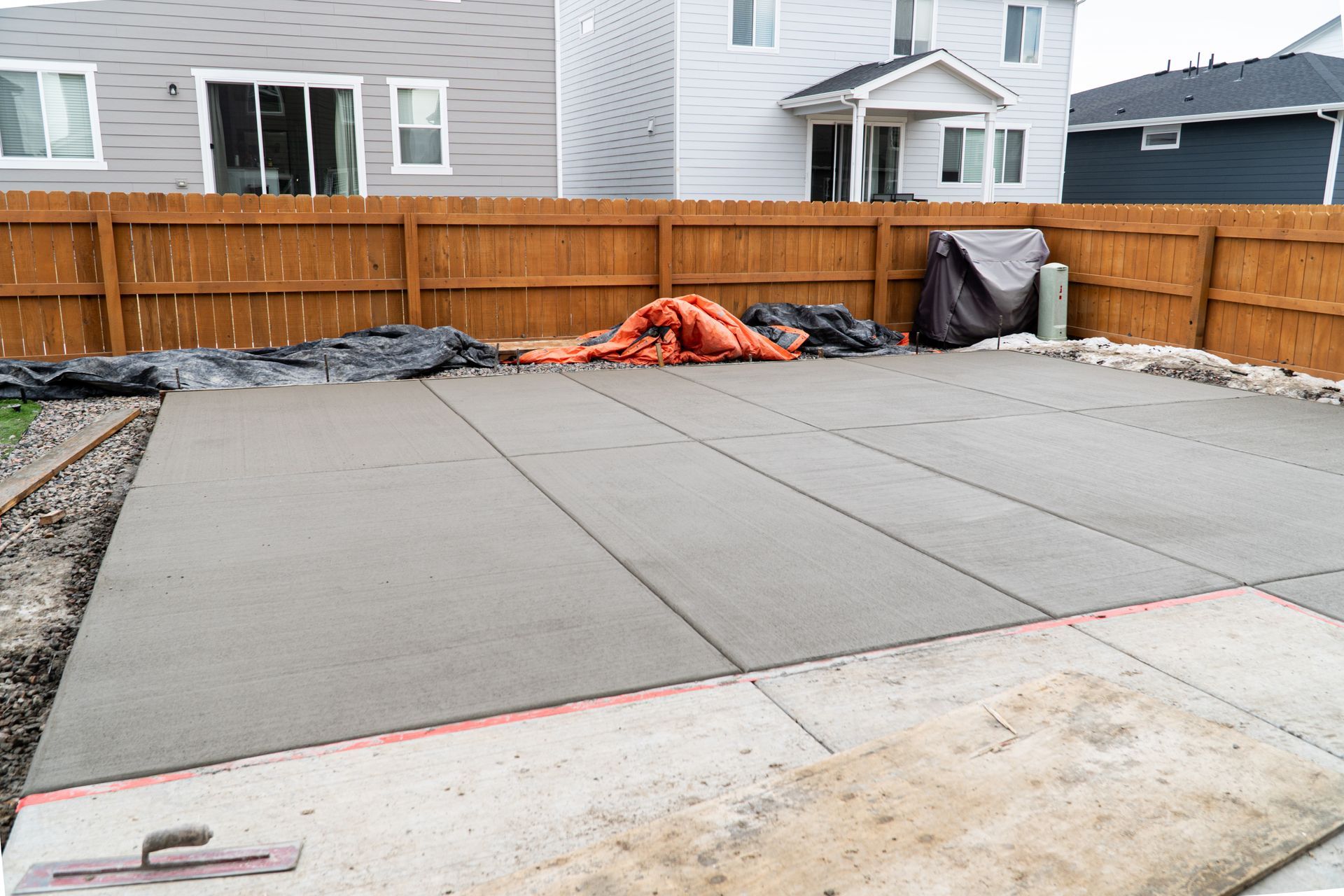
Explore Our Recent Projects
See residential, commercial, and new construction concrete projects completed across the Tri-County area. Have a custom concrete project in mind? Call Rancho Concrete or request a free estimate today.


SIDEWALK & WALKWAY SERVICES ACROSS THE TRI-COUNTY AREA
Based in Gonzales, Rancho Concrete serves Monterey, San Benito, and Santa Cruz counties with residential and commercial concrete services across the Tri-County area.
FREQUENTLY ASKED QUESTIONS
Planning a new sidewalk or walkway involves more than choosing where the concrete should go. Here are answers to common questions about layout, preparation, drainage, accessibility, finishes, and installation.
How much does a concrete sidewalk or walkway cost?
Cost depends on the length and width of the walkway, site access, excavation, existing concrete removal, base preparation, reinforcement, finish, concrete volume, and any site conditions that make the layout more complex. An on-site review helps determine the actual project scope and pricing.
How wide should a concrete walkway be?
The right width depends on how the walkway will be used, available space, and any project or accessibility requirements. A private residential path may have different needs from a commercial sidewalk or main building entrance. We plan the dimensions around the specific property and purpose.
How thick should a concrete sidewalk be?
Thickness depends on the expected use, site conditions, and project requirements. A pedestrian walkway may be designed differently from an area that could occasionally receive heavier loads or equipment. The appropriate thickness is determined as part of project planning.
Can Rancho Concrete replace an old sidewalk or walkway?
Yes. Existing concrete can be removed when a sidewalk or walkway needs full replacement. Once the old material is removed, the exposed area can be evaluated and prepared for the new concrete, including grade, base conditions, layout, and transitions.
How do you plan drainage around a concrete walkway?
We consider surrounding elevations and where water needs to move before the walkway is formed. The concrete can then be sloped appropriately for the site while accounting for nearby buildings, landscaping, patios, driveways, and other surfaces.
Can you install curved or custom-shaped concrete walkways?
Yes, walkway layouts can often be shaped around landscaping, entrances, yards, and other site features. The final design depends on available space, access, grade, intended use, and how the walkway needs to connect with the rest of the property.
Do you install sidewalks for commercial properties?
Yes. Rancho Concrete handles residential and commercial concrete work. Commercial sidewalks may involve building entrances, parking areas, pedestrian routes, business properties, or new construction sites where access, layout, and project specifications need to be carefully coordinated.
Can you help with accessible sidewalk routes?
We can plan commercial sidewalk work around project requirements involving slope, width, transitions, and accessible routes. Specific ADA, permit, and inspection requirements depend on the property and jurisdiction, so those requirements should be confirmed for the individual project.
Do concrete sidewalks require reinforcement?
Reinforcement needs vary by project. Site conditions, expected loads, slab dimensions, and project specifications can all influence the approach. Reinforcement is only one part of the system and should be considered together with base preparation, thickness, joints, and concrete placement.
What finish is best for a concrete sidewalk or walkway?
A broom finish is a common choice because it provides a clean appearance with practical surface texture for walking areas. Other finish options may also work depending on the property, design goals, and intended use of the space.
How long does sidewalk installation take?
Timing depends on the project size, removal or excavation requirements, access, layout complexity, concrete volume, weather, and curing needs. Once we understand the site and scope, we can provide a clearer expectation for the active construction schedule.
When can I walk on new concrete?
New concrete needs time to cure before regular foot traffic. The exact waiting period depends on the concrete mix, weather, and project conditions. Rancho Concrete provides guidance after placement so you know when the new surface can be used.
Do I need a permit for a new sidewalk?
Permit requirements vary depending on the project and local jurisdiction. Work within or near a public right-of-way, commercial properties, and accessibility-related projects may have additional requirements. The applicable rules should be confirmed before construction begins.
What areas do you serve for sidewalk and walkway projects?
Rancho Concrete serves Monterey, San Benito, and Santa Cruz counties. Our service area includes Gonzales, Salinas, Soledad, Greenfield, King City, Monterey, Marina, Seaside, Hollister, Watsonville, Santa Cruz, and many surrounding Tri-County communities.